
You vs. Inflammation
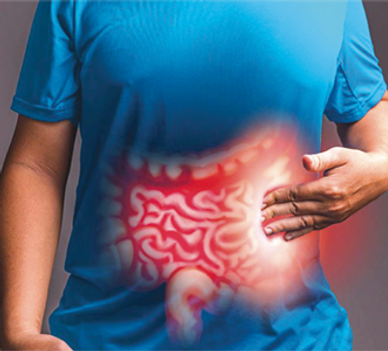
You vs. Inflammation
by Tona Wilson
The health buzzword of the year in articles, on social media, and in the news seems to be the word “inflammation”. When people tell me that they need to decrease their inflammation, most really don’t know what they mean or how to do it. This buzzword just scares them into action because of the horrible health conditions it causes. They don’t even receive this diagnosis by doctor’s visit or clinical tests, they just hear about the symptomology in the media and self-diagnose themselves as having “chronic inflammation”. Although it seems we all meet the prerequisites and symptoms for clinical chronic inflammation, let’s investigate this a little deeper before we get too anxious.
Why it’s Good, why it’s Bad:
Inflammation is a natural and necessary part of the body’s immune response. It starts as “acute” inflammation because of an injury, illness, or toxin introduced into our body. The immune system sends out ALL of its armed forces to quickly identify the assailant, mount a pinpoint attack, and prepare the immune system for subsequent confrontations with this invader if it is encountered again. In the attack, there is a high likelihood for collateral damage, but once the invader is neutralized, the body repairs the damage and homeostasis is again achieved.
Sometimes, and there is no one cause or reason, the acute inflammation persists after the initial attack, remaining unchecked. Some researchers blame chronic stress, as in Selye’s General Adaptation Syndrome that I wrote about last month. Other’s blame environmental triggers like pollution, industrial chemicals, and secondhand smoke. Studies have shown that gut biome imbalances can contribute to, as well as be a result of, chronic inflammation. Obesity, the Standard American Diet (SAD), alcohol, and lifestyle factors have been shown to have a considerable relationship with chronic inflammation.
Pathophysiology:
Chronic inflammation is not a specific disease. Rather, it is the mechanism by which the myriad diseases associated with chronic inflammation begin. It’s the collateral damage done by the immune system to our own tissues that cause cardiovascular disease (CVD), diabetes, auto-immune disease, specific degenerative diseases, certain types of cancers, and Alzheimer’s disease to name a few. It all begins with the healthy acute inflammatory response to a random invader, but somewhere and somehow, the mechanism short circuits itself, or perpetuates itself, or who even knows, in a feedback loop that the body can’t shut down. The continuous production of cells including inflammatory cytokines, growth factors, platelets, and white blood cells begin to damage tissues in otherwise healthy blood vessels and other important tissues. The immune system continues to send its arsenal attempting to fix the damage, inadvertently causing more, which eventually causes organ and whole-system damage.
The Differential Diagnosis:
How do we know if we have chronic inflammation? Well, looking at the symptomology of chronic inflammation, it seems that we all have it. Do you have joint and muscle pain? How about fatigue or insomnia? Anxiety? Depression? Any stomach and gut problems like constipation, diarrhea, acid reflux? Inability to lose weight? Are you frequently sick with colds or other viruses?
Hmm, that sounds like everyone.
The only way to truly ascertain if you have chronic systemic inflammation is to ask your doctor to order a panel of tests, most or all of which are probably going to be out-of-pocket. Typically, these tests are only ordered if you are at risk for heart disease or if your doctor suspects an auto-immune disorder or systemic infection. A common test is the high-sensitivity C-reactive protein (hsCRP) test. Though it can’t differentiate between chronic and acute inflammation, it can be a monitoring tool. This is out of my scope of practice, so ask your doctor about testing if you’re concerned.
Can we Win?
The prognosis of chronic inflammation is very poor if not improved. All of today’s “diseases of civilization” have some root causation in chronic inflammation. Poor eating habits, lack of exercise, obesity, environmental toxins, and high mental and emotional stress are the main contributors to inflammation. Take a close look at those contributors. Now ask me again if we can win.
We can certainly help the body get ahold of its own mechanism of inflammation by modifying each of these elements. Fat tissue in people who are overweight or obese induces low-grade systemic inflammation by releasing cytokines and growth factors that contribute to tissue and organ damage. Simply losing ten percent of the initial fat weight can significantly decrease the proliferation of inflammatory cytokines.
A Better Playbook:
These aren’t new plays. In fact, you’ll see them in every article of mine you’ve read.
Eat from the rainbow. The antioxidants in fruits and vegetables are highly colorful. Make sure your plate has at least three different colors of fruits and vegetables each meal. Limit your refined carbohydrates like table sugar and white starches. Omit cured and smoked meats. Eat more fatty fish. Eat pre- and probiotic foods to populate a healthy gut biome.
Sleep! Aim for 7-9 hours of quiet and uninterrupted sleep. It’s in the deep sleep stages where your body repairs itself.
Manage stress before it manages you. Your immune system is directly related to your psychological stress appraisal.
Exercise! It helps to manage that stress and produces neurotropic factors and other growth factors that protect the brain and other organ systems in the body.
Trust the Play and Execute:
As you can see, this is a win-able game. It’s not a “best of” match set. Stress and inflammation are cumulative. The score continues with every food you eat, workout you do (or don’t do), and healthy or unhealthy behavior you implement. Maybe you’re behind. Maybe you’re neck and neck. Now that you understand your opponent a little more, tap into your own strengths, execute your plays, and dominate your position in this game. Every decision counts. Stay consistent. Stay motivated. You can win. You’re worth your effort.
Tona DeAune Wilson, MA Ed, PhD
Health Psychologist, Nutrition and Health Coach